

Meet
MICHAEL FRISBY
MSW, RSW
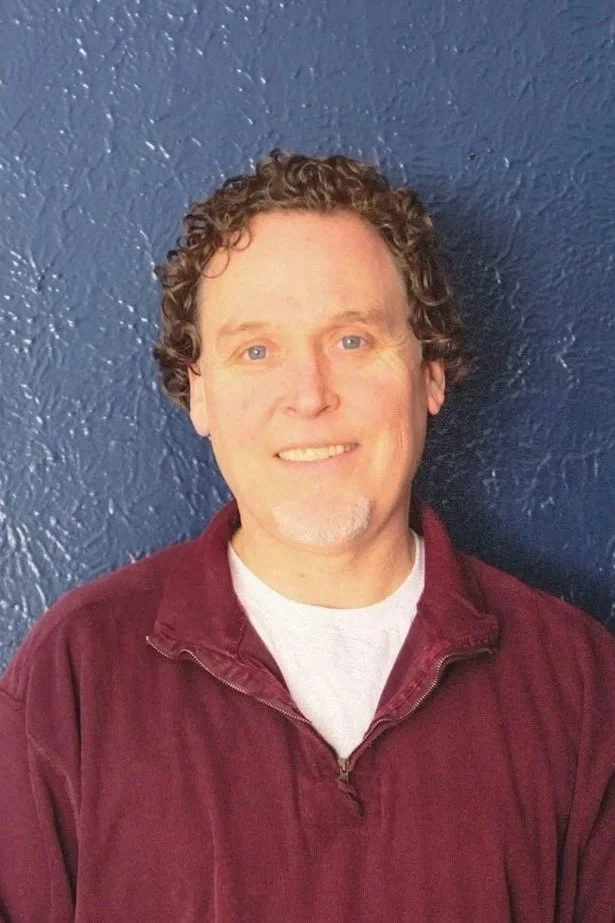
We Begin With Relationship
I approach counselling and psychotherapy with a simple foundation: meaningful change happens within relationship. For decades, research has shown that the quality of the therapeutic alliance—the trust, safety, and collaboration between therapist and client—is the single most important factor in outcomes. My work begins there, and everything else grows from that base.
Relationship isn’t something added on later; it’s the ground we work from together. It’s within that shared space that understanding deepens, difficult material can be approached safely, goals can be clarified, and change—whether emotional, behavioural, or relational—becomes possible. Whatever approaches or frameworks we draw on, they are always held within a real, human connection.
Within that relationship, my role shifts depending on what’s needed—sometimes a listener, sometimes a guide, counsellor, teacher, or therapist in a more structured sense. What remains constant is my commitment to attunement: meeting you where you are, staying responsive in the moment, and working collaboratively toward the changes you’re seeking.
How I Came to This Work
I didn’t arrive at this work through theory alone. I came to it through lived experience—through my own struggles, relationships, losses, transitions, and the long process of trying to understand myself and the people I care about. Like many people, I learned early on what it’s like to feel disoriented, disconnected, or unsure where to turn when life stops making sense.
Over time, I discovered that the spaces that helped most were not the ones that tried to fix me, but the ones where I felt met, understood, and taken seriously. That experience continues to shape why I do this work and how I show up in it. I’m drawn to this profession because I believe deeply in people’s capacity to make sense of their lives, to change, and to find their footing again—with the right kind of support.
This work matters to me because it’s human, relational, and real. I don’t take lightly the trust it takes to sit with someone and speak honestly about what’s difficult. My aim is to offer the kind of presence and partnership that I know can make a difference—not by having all the answers, but by staying engaged, curious, and grounded alongside you.

My Professional Orientation (where I’m coming from)
My professional orientation is rooted in a depth-oriented understanding of human suffering and healing. I view many of the challenges people bring to therapy—such as anxiety, depression, addictions, relationship difficulties, shame, emotional overwhelm, or a sense of disconnection—not as signs of pathology, but as meaningful responses to life experience. These struggles often reflect adaptation, protection, and the long-term impact of experiences that shaped us before we had choice or language.
I work from an integrative framework, at the heart of which is the belief that human beings are inherently oriented toward wholeness, and that symptoms arise when parts of the self have been burdened by experiences that were too much to process alone. My clinical lens is strongly influenced by an understanding of early attachment, developmental trauma, and nervous system organization. I am particularly interested in how early relationships, unmet needs, traumas, and implicit beliefs become embedded over time and continue to shape identity, relationships, and emotional life—often outside of conscious awareness.
Underlying my work is a deep respect for the psyche’s intelligence and for the ways people survive, adapt, and carry on—even when those adaptations later become limiting. My orientation is guided by the belief that healing involves integration rather than correction, and that growth emerges through understanding, compassion, and reconnection with one’s inner life.

My Therapeutic Approach
Rather than approaching distress as something to be eliminated, I understand it as carrying information. From this perspective, therapy becomes a process of meaning-making: helping people understand how their internal world formed, why certain patterns persist, and what those patterns may be asking for now.
I don’t believe in one-size-fits-all therapy. People come with different experiences, needs, and ways of learning, and therapy should reflect that. I draw from a range of approaches, including:
Internal Family Systems (IFS) — working with parts of the self to find harmony and healing
Compassionate Inquiry — exploring the beliefs and patterns that often run beneath awareness
Depth Psychology & Psychodynamic Therapy — understanding how unconscious forces and early experiences shape the present
Cognitive Behavioral Therapy (CBT) & Schema Therapy — identifying and reshaping thought and behavior patterns that no longer serve you
Dream Work — exploring symbols and messages from the unconscious for insight and growth
Wild Mind (Bill Plotkin’s framework) — reconnecting with the wholeness of the psyche and the natural world
Deep Brain Reorienting (DBR) — addressing the deep, body-based imprints of shock and trauma
Sometimes we work primarily within one of these modalities; other times, elements are interwoven. What guides the process is not a rigid model but what fits you best, and what the therapeutic moment calls for.
Professional Commitment
Beyond methods and techniques, my professional commitment is to provide a space of respect, compassion, and curiosity. Therapy is not something done to you; it’s something we create together. My role is to offer knowledge, guidance, and presence, while honoring your pace, your choices, and your unique way of healing.
I also hold deep respect for the many teachers, mentors, and colleagues—past and present—whose devotion makes this work possible. Their influence continues to shape me as a therapist and enrich the work I do with clients.